The importance of etiquette in Kyokushin Karate: Resilience, respect, and behaviour in Berlin
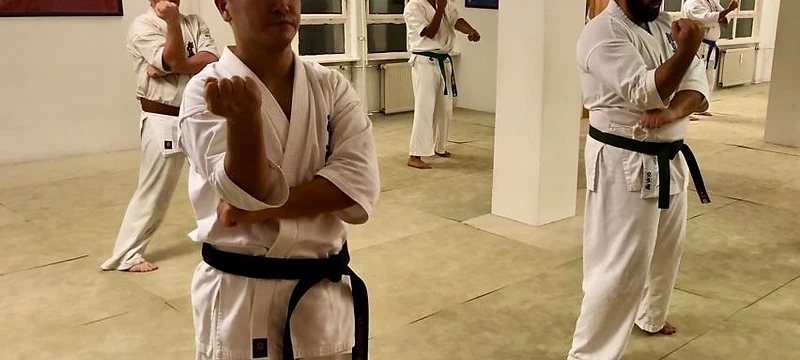
Kyokushin Karate, ein beeindruckender Kampfsportstil mit Wurzeln in Japan, hat in der Kolonnenstraße in Berlin-Schöneberg einen festen Platz gefunden. Das Shinzen Dojo, gelegen im Herzen der Stadt, ist eine Oase für diejenigen, die sich der Kampfkunst des Kyokushin Karate verschrieben haben.
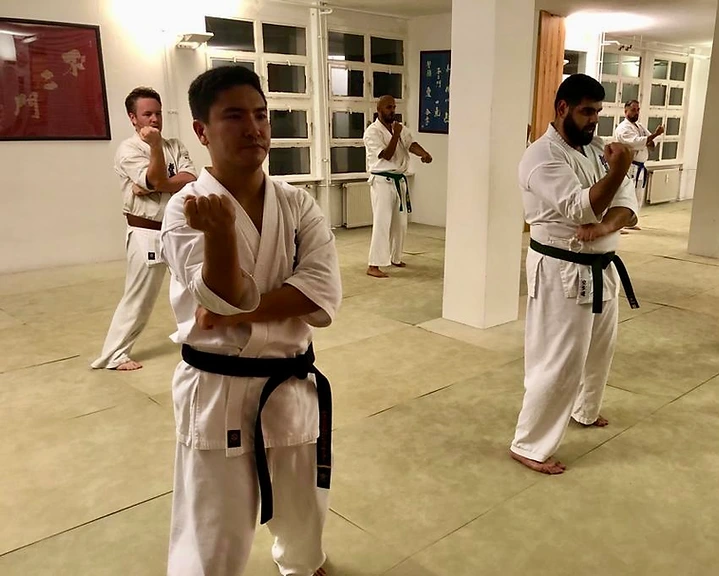
This style, which is known for its robustness and efficiency, attracts people of all ages and backgrounds who are looking for physical fitness, mental strength and Personal development sind.
But Kyokushin Karate is more than just a sport - it is a way of life. Dojo etiquette, behaviour towards students and outside the Dojo in everyday life are fundamental pillars of this discipline. The Japanese etiquette practised in Kyokushin Karate is an expression of a centuries-old tradition of Japanese culture.
They are not just superficial formalities, but a way to integrate the values and principles of this martial art into everyday life.
The Kyokushin Karate Dojo etiquette:
- Greeting and farewell: Even before karate training begins, the way one greets and says goodbye in the Dojo is of great importance. A respectful greeting, whether by bowing or shaking hands, shows appreciation for the community and the teacher.
- Respect for the teacher: In Kyokushin Karate, the trainer is considered Sensei (teacher). This title is not given lightly and symbolises the years of experience and dedication of the teacher. Students should treat their Sensei with sincere respect and trust.
- Mutual respect: Within the Dojo, respect among students is essential. No one is better than the other, and the Kyokushin principle of “resilience” encourages students to overcome limits and constantly work on themselves, while at the same time respecting and motivating their fellow students instead of putting them down.
Resilience and the search for attention:
In the context of Kyokushin Karate, resilience is not limited to physical pain, but also relates to seeking attention or taking advantage of pity.
These behaviours can be counterproductive and undermine the actual purpose of Kyokushin Karate training and resilience.
Here are 4 points, that students should keep in mind:
- Self-reflection: It is important to honestly question yourself and consider whether you are actually injured or whether you might be seeking attention. Self-reflection can contribute to maintaining your own motivation and integrity.
- Taking responsibility: Instead of looking for pity, students should take responsibility for their actions and decisions. If you are injured, it is important to communicate this to the trainer or the people responsible in the Dojo instead of staging dramatic scenes.
- Honesty: Honesty is one of the foundations of Kyokushin Karate. Students should be honest with themselves and others. If they need help or support, they should communicate this openly instead of looking for pity.
- Focus on the training: Kyokushin Karate training requires concentration and dedication. Seeking attention or taking advantage of pity not only distracts from this focus, but can also impair the training experience of other students.
Resilience should primarily be understood as a means for personal development and character strengthening.
Exploiting resilience to attract attention or generate pity is contrary to the values of Kyokushin Karate and should be avoided. True strength and resilience manifest in the ability to overcome difficulties, rather than seeking inappropriate attention. without rather than seeking inappropriate attention.
If you learn to overcome the need for pity and look for inner strength, you will find that this ability is not only important in a Dojo. It forms the basis for your behaviour outside the Dojo and in your daily life.
Let us now look at how the principles of Kyokushin Karate that we have discussed can help you cultivate respectful and responsible behaviour in Berlin and beyond.
Behaviour outside the Dojo:
- Self-discipline: Kyokushin Karate teaches not only physical fitness, but also mental discipline. Students are encouraged to apply this discipline in all areas of life, whether at work, in studies, or in interpersonal relationships.
- Responsibility and fairness: Students should take responsibility for their actions and make fair decisions. This promotes a positive image of Kyokushin Karate in the society of Berlin and beyond.
- Conflict resolution and composure: The self-control developed in Kyokushin Karate helps students to approach conflicts calmly and composedly. They learn to keep control of their reactions and look for peaceful solutions, which is an advantage in every social situation.
- Helpfulness and community spirit: The values of Kyokushin Karate also teach students to help others and develop a strong community spirit. This is reflected in the commitment to charitable activities and in supporting other people.
- Respect for diversity and tolerance: Dojo etiquette teaches respect, regardless of origin, gender, or belief. Students transfer these virtues into the multicultural society of Berlin and advocate for tolerance and respect for diversity.
In Berlin and worldwide, Kyokushin Karate has not only improved people's physical fitness, but has also shaped their characters. Dojo etiquette, resilience, and respect are the foundations of this path. In the Shinzen Dojo and other Kyokushin schools in Berlin, not only is martial art taught, but also a life philosophy is conveyed that makes students better people.
Japanese etiquette is the key to preserving these traditions and values in the modern world.
We live this at Shinzen Dojo Berlin
OSU!