
What is the difference between "Sensei" and "Senpai"?
„"Sensei" is a Japanese word that has long been familiar to speakers through karate films in pop culture and dojos or training studios where martial artists learn under a Sensei. But in recent years, the rise of anime and manga in media has brought a new word into common usage - senpai.
Although both terms sound similar, they have different definitions that relate to a person's seniority in Japanese society. In the following blog entry, we will explain exactly what the difference is between a Sensei and Senpai.
- What does "sensei" mean?
- Is "gakusei" or "seito" the opposite of "sensei"?
- What does "senpai" mean?
- What does "kohai" mean?
- What is a Sensei in karate?
What does "Sensei" mean?
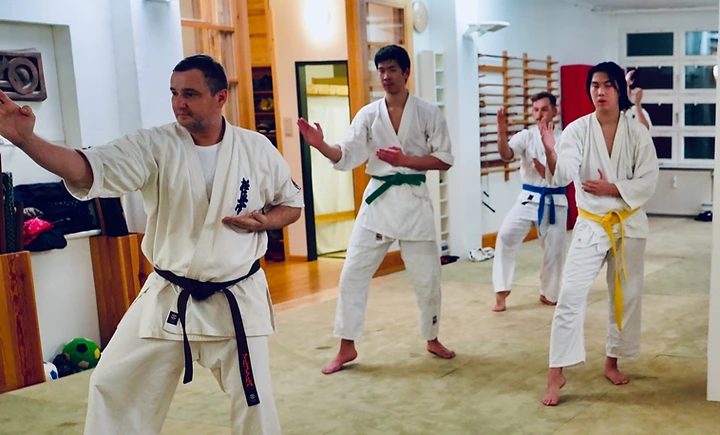
Sensei, pronounced sen-say, is in its most basic meaning an all-encompassing Japanese word for a teacher. This applies to teachers from elementary school all the way to university professors. It also includes teachers such as dance instructors and trainers in a karate dojo or a martial arts school.
However, the word "sensei" is always used from the perspective of the student or trainee. A person would not call themselves niemals "sensei". Instead, they would use the professional title for their occupation, e.g., kyoushi (教師) for a teacher.
This is because "sensei" in Japanese is a title used to address someone who is a master of their craft or has a special degree, e.g., Ikebana teacher (traditional flower arranging), doctors, and even lawyers.
So if you visit a doctor in Japan, you would address Doctor Yamada as "Yamada-sensei".
Is "gakusei" or "seito" the opposite of "sensei"?
"Seito" (pronounced: say-toh) and "gakusei" (pronounced: gahk-say) are both words that refer to a person who studies under a Sensei, but there is a difference between the two.
While "seito" generally refers to anyone who studies under a Sensei, "gakusei" specifically refers to people who study at a school - the "gaku" (学) in "gakusei" (学生) is the same kanji used in "gakkou" (学校), or school.
What does "senpai" mean?
A unique aspect of Japanese culture is the emphasis on the relationship between two people and how this affects their interactions with one another.
Senpai" (pronounced sen-pie - pie, like the pastry) is a term that refers to a person with higher seniority and more experience who is there as a mentor to their younger colleagues and supports them.

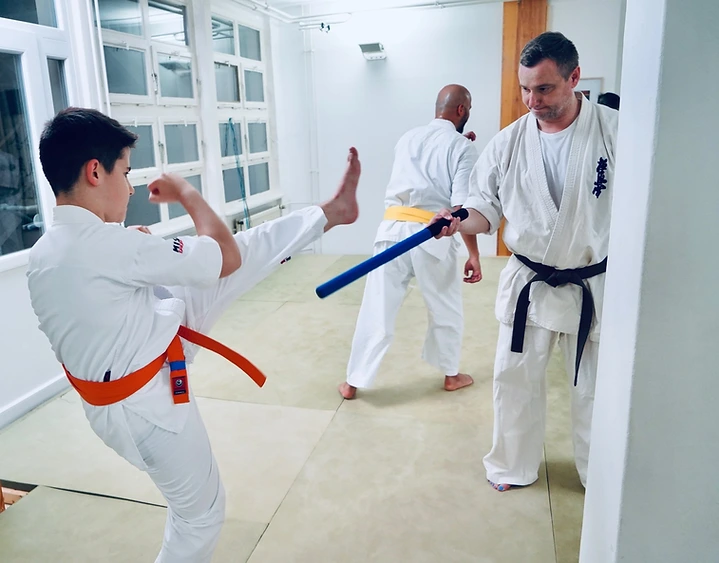
This applies to students, athletes, office employees, and even professionals!
Someone who is regarded by their students as a Sensei might even have their own Senpaiwhom they ask for advice and guidance.
What does "kohai" mean?
On the other side is the "kohai" (pronounced: ko-high), which is the younger member of the relationship.
Senpai and kohai are two people who are always in a relationship with each other, meaning one person cannot simply be a senpai or kohai without having a corresponding counterpart.
In some cases, a senpai-kohai pairing where the two form a close bond can lead to a lifelong relationship, and the kohai will continue to turn to their senpai even as an adult when they need help or advice in personal and professional matters.
What is a Sensei in karate?
As we have already mentioned, is sensei in karate, a term for a karate teacher.

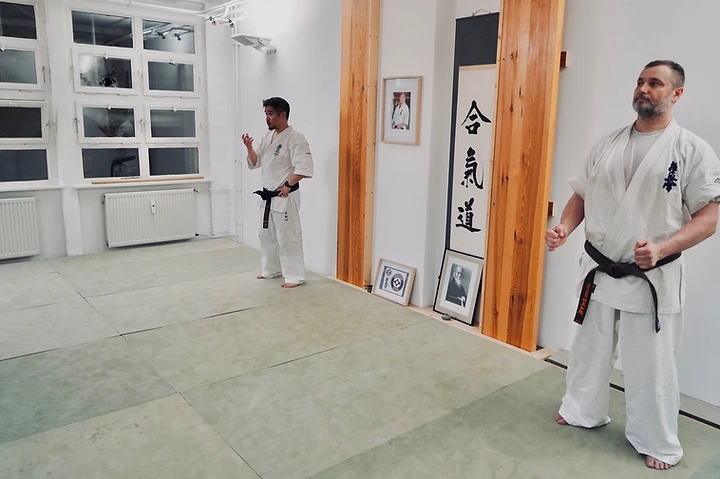
However, it is important to note that the name can only be used from the perspective of the students. Most of the time, people use Sensei and the first or last name of the teacher they are addressing.
It takes time and great effort to become a Sensei, as this title involves a person having multiple roles alongside teaching. In a karate environment, a Sensei always takes on a leadership position in which they selflessly serve others.
Here are some positive traits of a Sensei listed:
- A Sensei tends to perform better in crucial areas of life and approaches challenges courageously.
- Senseis care about the problems of others, advise people, and help their students overcome hurdles.
- They understand the principles of human performance and apply them in training sessions.
- They ensure safety during training sessions and can skilfully provide support in case of need with First Aid leisten.
- A Sensei is intelligent and can weigh up circumstances to determine all possible outcomes. They always consider several alternatives before deciding on the best one.
- A Sensei updates their knowledge from time to time.
- A Sensei is humble, patient, and easily forgiving.
- An ideal Sensei possesses excellent people skills and treats everyone with respect.
- They are honest and therefore always behave honourably.
- They serve as a perfect role model in all areas of life.
- A Sensei is fair to everyone and can promote peaceful coexistence.
Conclusion: So, what is the difference between Sensei and Senpai?
As we have already explained that the two terms Sensei and Senpai have a similar meaning, you will now have understood the differences between these two words at the end if you have looked at this more closely.
English-speaking people, for example, will most likely confuse the meaning and use of these two words because they sound similar. In Germany, we hear the difference just through the difference in vowels from ei bzw. ai the difference
We will now finally summarise the differences between these two words and meanings in a simple table.
Sensei is the correct title that karate students use when referring to their teachers. This title gives students the privilege of paying respect to their teachers every time they address them. So it is wrong for karate students to address their teachers with the word "Senpai".
Senpai is used when a karate student addresses a senior karate student. It is also correct if you address your mentors as Senpai. However, if your mentor is also your teacher, you must use Sensei. Sensei statt Senpai verwenden.
Since we live, work, and train here in Germany, however, it is up to everyone whether they address their karate teacher with "Sensei" in a karate dojo or not. :-)
In this arigato gozaimashita and OSU!
| Sensei | Senpai |
|---|---|
| This title is reserved only for teachers or instructors. | You can use it for senior colleagues, mentors, or even for a friend you respect. |
| It clearly shows that there is a high level of authority between the addressee and the recipient. | The level of authority that exists between the addressee and the recipient can be low or high. |


